

A new report released today reveals how cyber scam hubs have evolved into sophisticated transnational criminal enterprises that combine large-scale online fraud with the trafficking and exploitation of thousands of people.
The Asia/Pacific Group on Money Laundering (APG)’s Cyber Scam Hubs and Human Trafficking Report 2026, draws on recent case studies, law enforcement experience, regional analysis and insights from blockchain analytics, mapping the methods used by criminal networks to exploit victims, as well as the financial and technological enablers that allow scam compounds to operate at scale.
APG’s Executive Secretary, Dr Chris Black, said the report outlines practical indicators to help governments, law enforcement agencies, financial institutions and frontline workers identify these operations earlier, strengthen prevention efforts and improve support for victims.
“The report shines a light on one of the most alarming developments in transnational organised crime across the Asia/Pacific region—the combination of cyber-enabled fraud and human trafficking,” Dr Black said. “By understanding how these cyber scam hubs operate, it disrupts and disempowers the criminal networks behind them.”
Among the case studies are examples of how criminals exploit different sectors and vulnerabilities including weak oversight in special economic zones, using complex business structures to hide the identities of those behind these activities and virtual currencies.
Japan’s APG Co-Chair, Mr Mitsutoshi Kajikawa, said there are a number of existing mechanisms and networks to support coordinated action against cyber scams, however, effective mitigation of these crimes requires continued monitoring, enhanced regional cooperation, targeted intelligence sharing and strong AML/CFT frameworks.
“The FATF Standards provide the framework for strong AML systems and their risk-based implementation is critical,” Mr Kajikawa said.
“There are also a number of regional and international cooperation networks, including for asset recovery, which can be used to support regional actions.
“These measures are critical to the detection, disruption and prosecution of cyber scam hub operators and the protection of victims worldwide.”
The Report was co-led by Indonesia and the United Nations Office on Drugs and Crime (UNODC) and reflects contributions from a range of APG members, observers and representatives of the private sector.
Alongside the report, the APG in close partnership with the Academy of Excellence in Financial Crime Investigation and Compliance at Griffith University has released a public database of more than 10,000 case studies from APG typologies products, mutual evaluation reports, and publications spanning more than 20 years.
The launch of the typologies database marks a significant step forward in supporting anti-money laundering efforts, offering a comprehensive collection of real-world case studies from across the Asia/Pacific and beyond to help organisations detect, understand and respond to evolving financial crime threats.
“The typologies database enhances the fight against money laundering by providing a curated repository of case studies that highlight criminal methodologies, emerging trends and practical indicators to support risk assessment and a risk-based approach,” Dr Black said.
“It’s a valuable capability because financial crime often crosses borders, and criminal methodologies can quickly spread across jurisdictions. A shared repository of case studies from across the Asia/Pacific enables reporting entities and partner agencies to learn from regional experiences, identify emerging trends earlier, and strengthen their ability to detect and respond to money laundering risks before they become more widespread.”
The typologies database is accessible to the public via https://gdtapps.com.au/APGML/
Related articles
View all articles- FATF Report on Online Child Sexual Exploitation
 FATF Report on Online Child Sexual ExploitationThe APG Secretariat participated in the launch event of the new FATF report on ‘Detecting, Disrupting, and Investigating Online Child Sexual Exploitation’ in London on 13 March 2025.13Mar 2025
 - Shipping Registries and PF Factsheet
 Shipping Registries and PF FactsheetThe APG Secretariat, with support from the United Nations Office on Drugs and Crime, is pleased to announce the publication of a Shipping Registries and PF Risk Factsheet.10Mar 2025
 - Malaysia hosts the 2024 APG Typologies Workshop in Kuala Lumpur
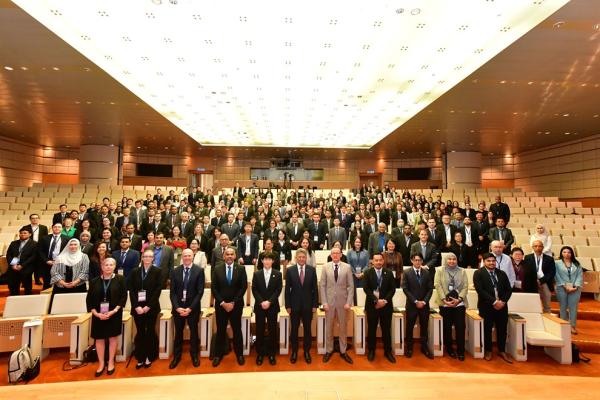 Malaysia hosts the 2024 APG Typologies Workshop in Kuala LumpurThe 2024 APG Typologies Workshop was delivered successfully by Bank Negara Malaysia in Kuala Lumpur, Malaysia from 11-13 November 2024.26Nov 2024